

Automotive
Whether connected vehicles, predictive maintenance in production, or seamless traceability in the supply chain – IoT is transforming the automotive industry at every level. Not as a vision of the future, but as everyday practice at OEMs, Tier 1 suppliers, and manufacturing operations already working with it today.
The challenges are real: production lines must run with maximum availability, quality requirements are rising, CO₂ footprints must be documented at component level, and connected vehicles generate volumes of data that enable new business models – but also raise new security questions.
This is exactly where IoT comes in: sensors capture conditions in real time, data is automatically transmitted and analysed – in production, in the vehicle, and across the entire supply chain. Whether OEE optimisation, predictive maintenance, battery monitoring, or the Digital Product Passport: the right data at the right time enables better decisions with less effort.
On this page you will find hands-on solution examples from the IoT Use Case network – from OEMs, suppliers, and technology providers who have delivered real projects. No marketing, no promises – only what actually works.
These challenges are driving IoT projects in the automotive industry
High-availability production and OEE optimisation
Every minute of unplanned downtime in automotive production costs thousands of euros. Predictive maintenance, real-time machine monitoring, and automated fault diagnosis help predict failures and continuously improve OEE metrics.
Traceability and quality assurance
Rising quality requirements and recall risks demand seamless traceability of every component from supplier to vehicle. Digital IoT-based traceability replaces error-prone manual processes and creates audit-proof documentation.
CO₂ footprint and Digital Product Passport
EU regulations such as the battery passport and CBAM require machine-readable product data on CO₂ emissions, material origin, and recyclability. Those who do not build structured product data today will face a compliance problem tomorrow.
Connected vehicles and cybersecurity
Modern vehicles are mobile IoT platforms with hundreds of sensors and permanent cloud connectivity. Over-the-air software updates, fleet management, and remote vehicle diagnostics open new possibilities – and new attack surfaces that must be secured.
Supply chain transparency and resilience
Just-in-sequence production requires complete real-time transparency of supplier inventories, transport status, and production conditions. Data gaps in the supply chain became painfully visible during the semiconductor crisis.
Energy efficiency and ESG in production
Automotive plants are among the most energy-intensive industrial operations. Granular energy monitoring at machine and line level is the foundation for ESG reporting, cost reduction, and meeting buyer requirements on CO₂ neutrality.
Real-world solution examples in the Automotive industry














































IoT in the Automotive Industry: What Actually Works in Practice
The automotive industry is one of the most complex and data-intensive industries in the world. From raw material procurement through hundreds of suppliers, the manufacturing of high-precision components, through to the connected vehicle at the end customer – every stage generates data and every stage holds optimisation potential through IoT.
The difference from other industries: in the automotive sector, requirements for precision, availability, and traceability are particularly high. At the same time, the regulatory transformation driven by the EU Battery Regulation, CO₂ fleet emission limits, and supply chain due diligence obligations is more intense than in almost any other industry.
Typical Application Areas
Predictive Maintenance in Vehicle Production
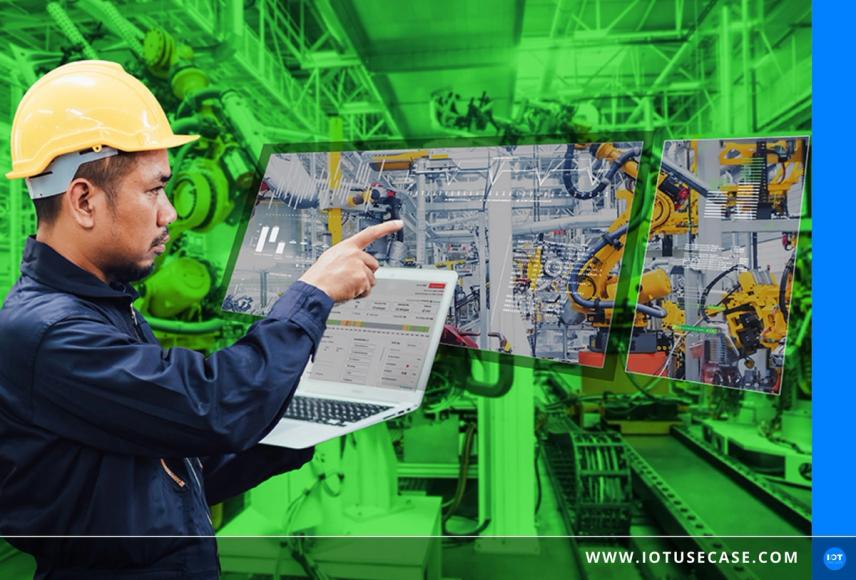
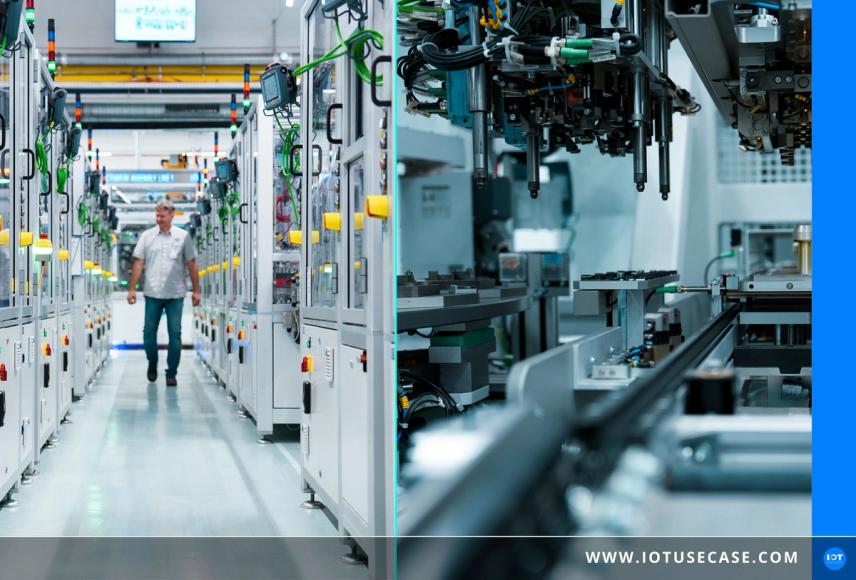
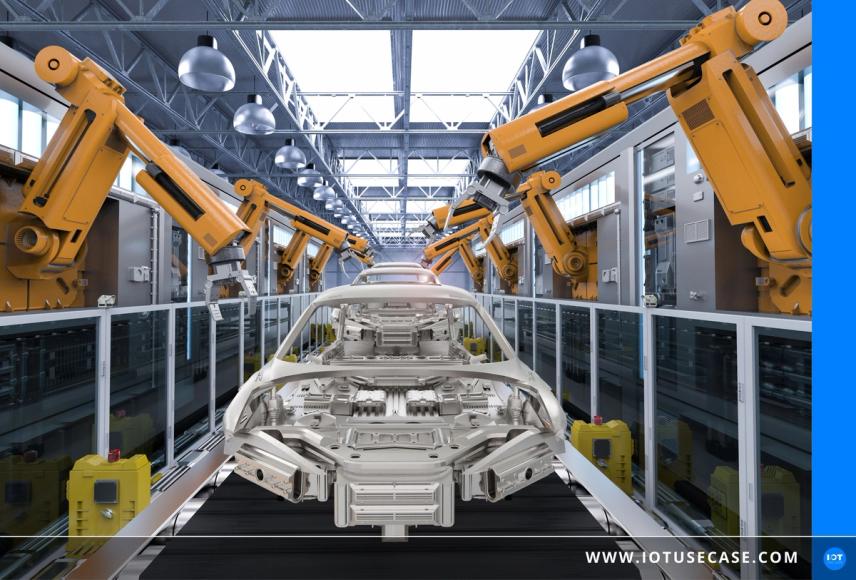
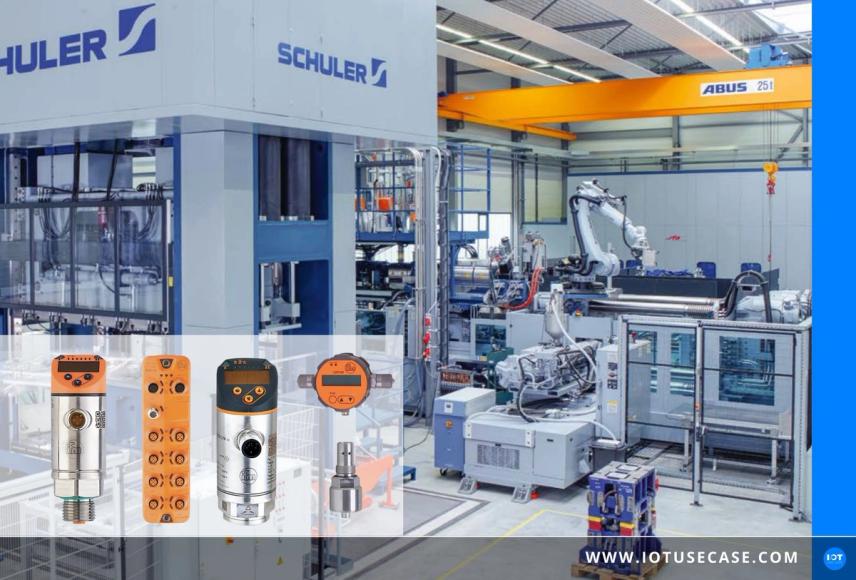
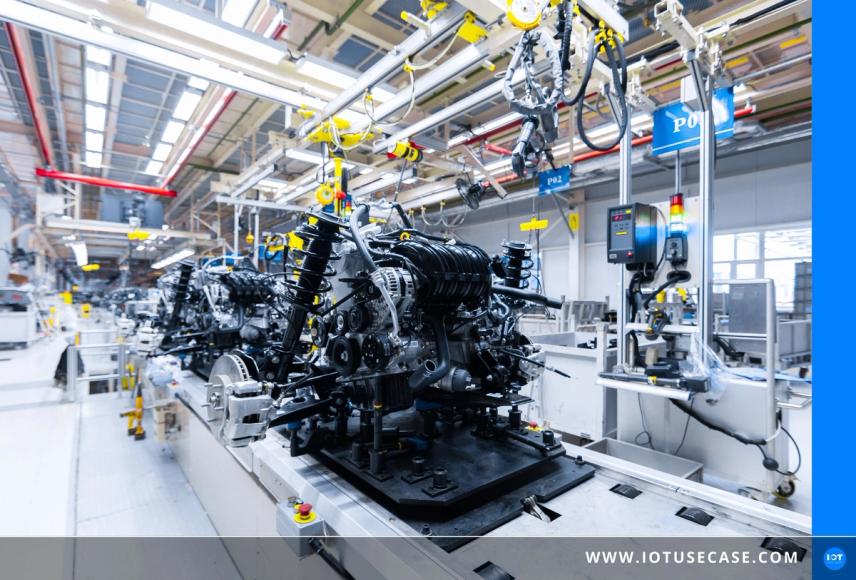
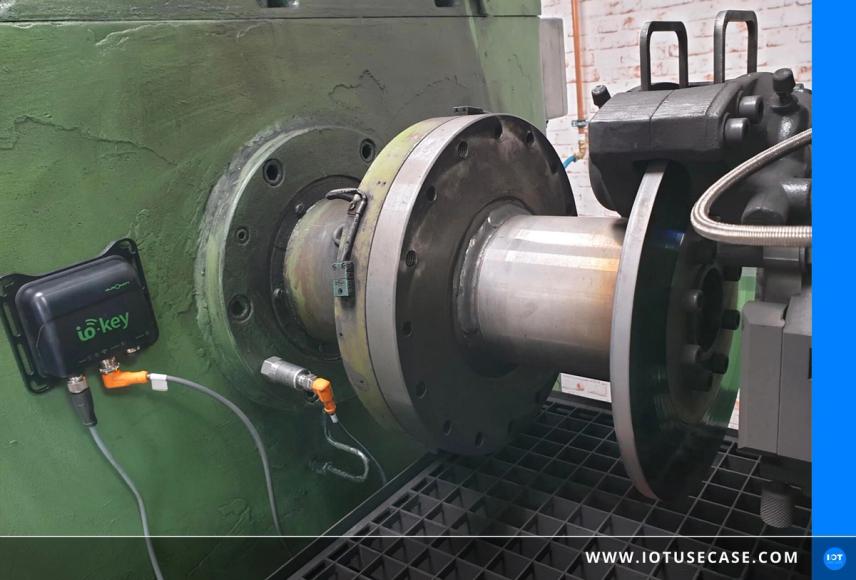
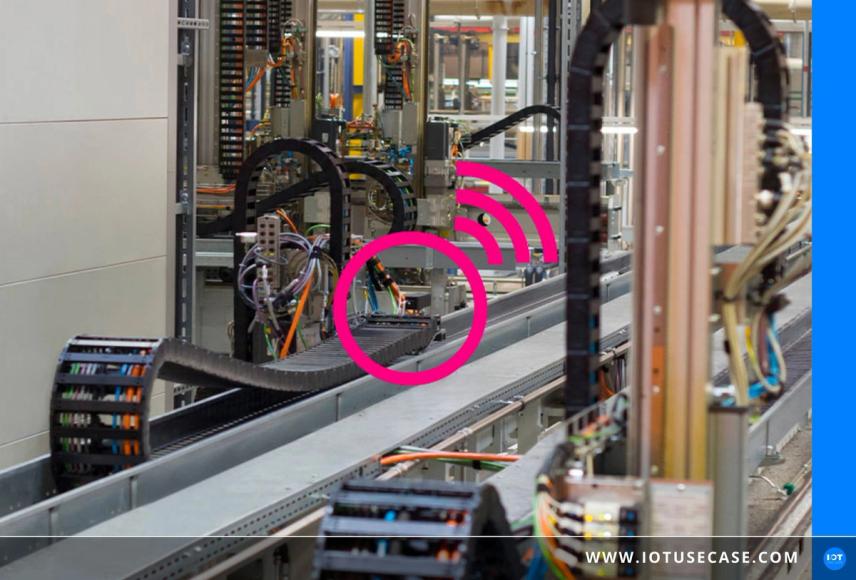
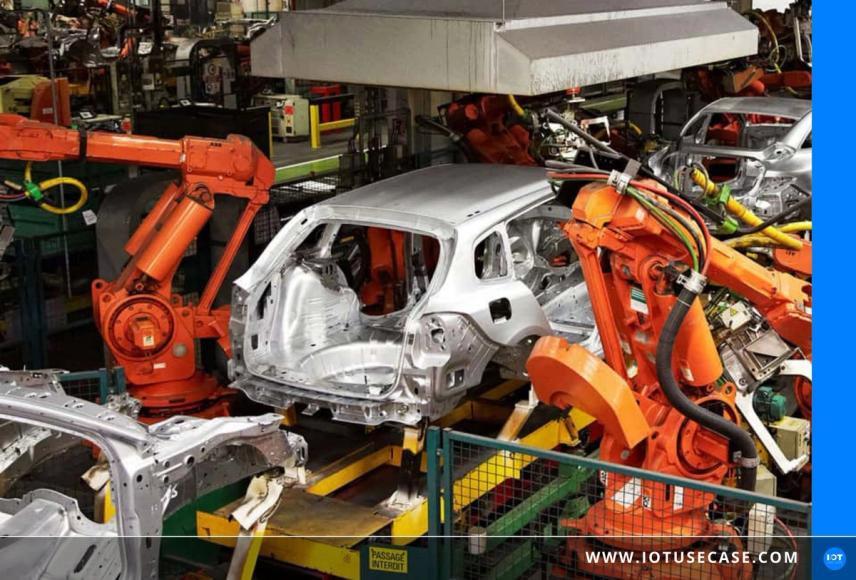
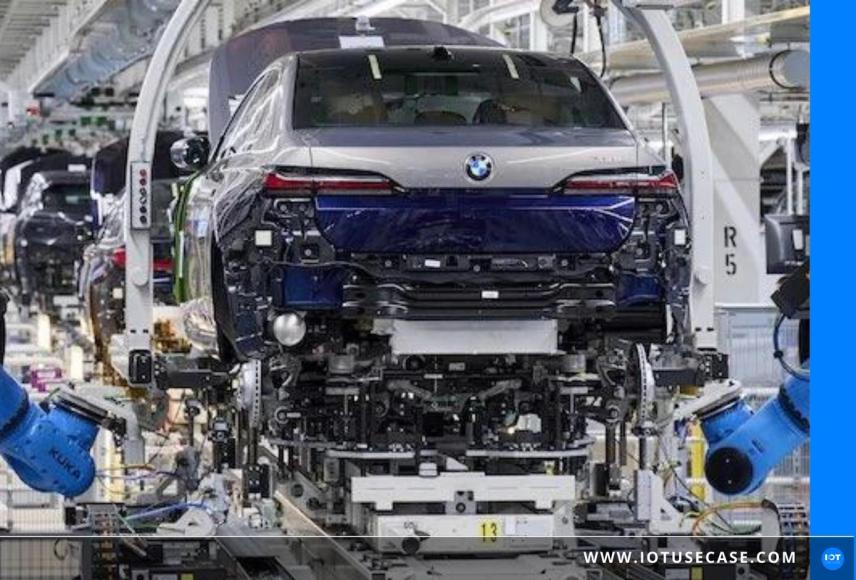
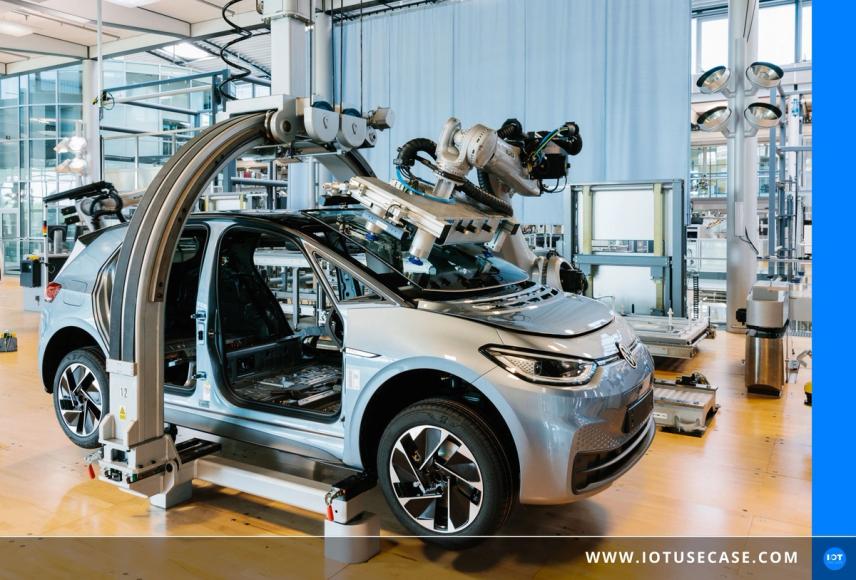
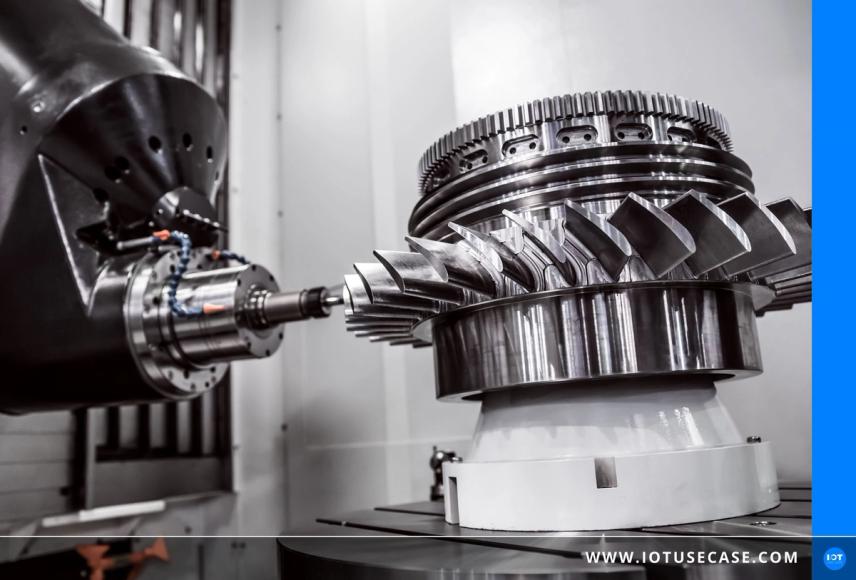
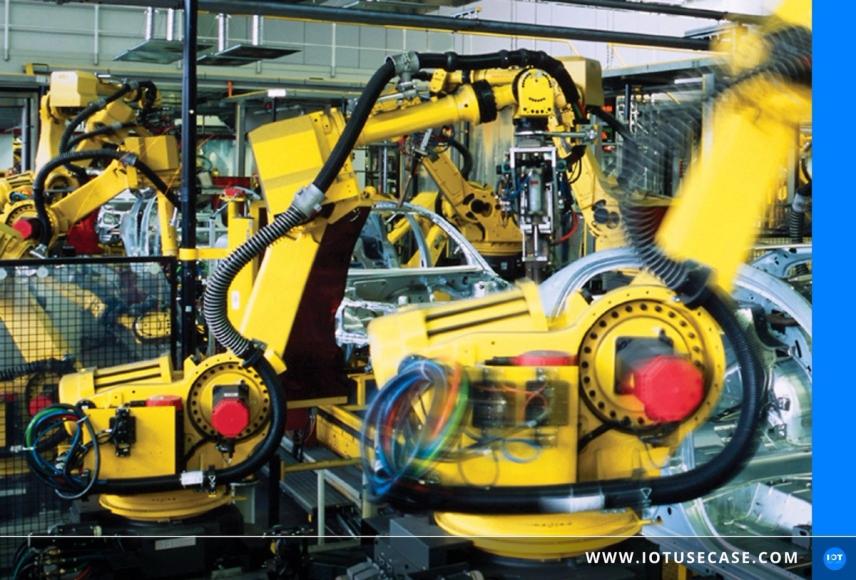
Highly automated production lines with robots, presses, and conveyor systems must run with maximum availability around the clock. Vibration, current, and temperature sensors on critical components continuously deliver data from which AI models calculate failure probabilities – days before damage occurs. Unplanned downtime and associated consequential costs are drastically reduced.
OEE Monitoring and Production Optimisation
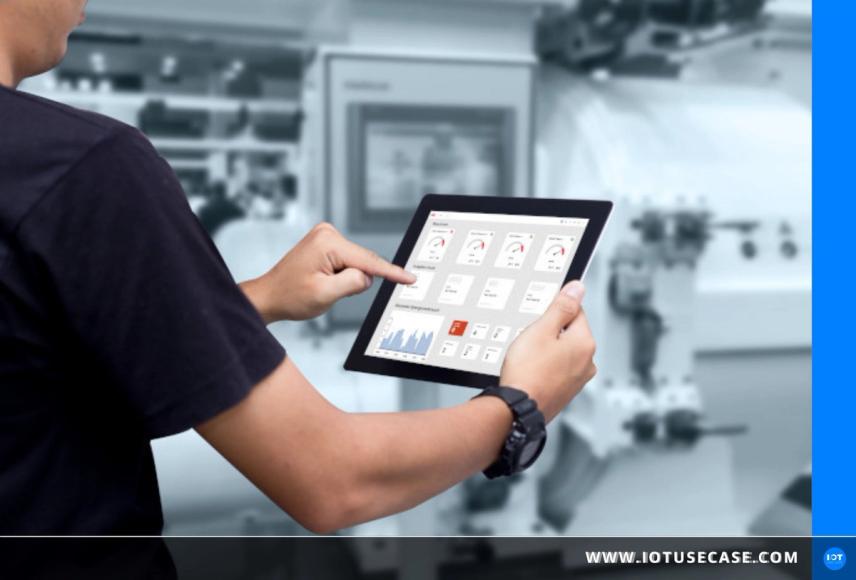
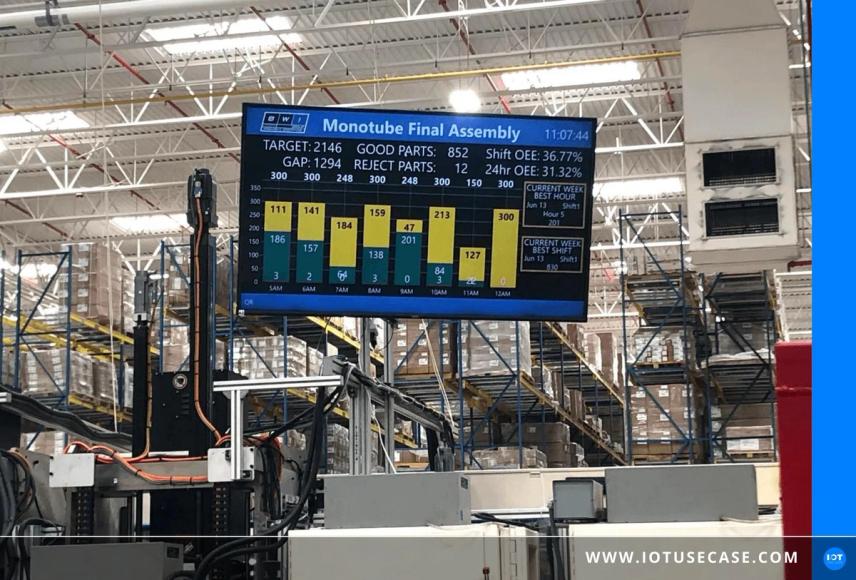
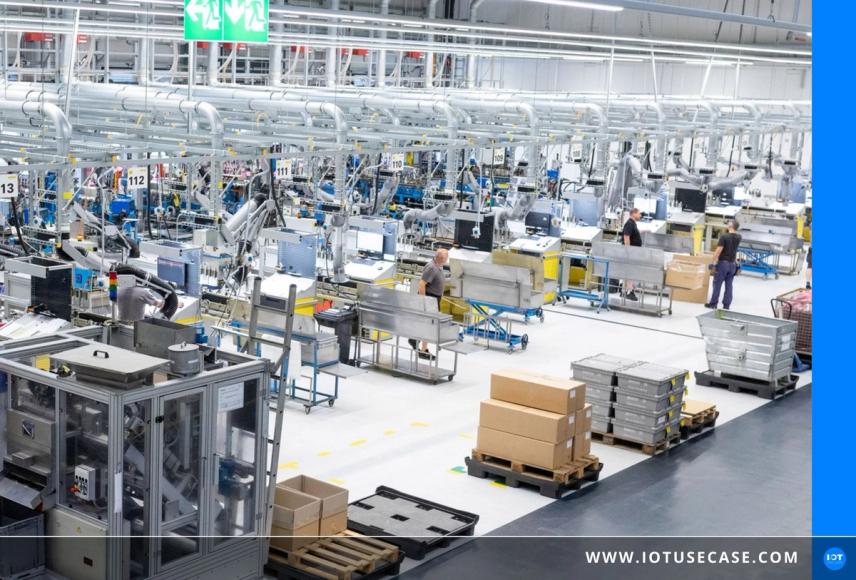
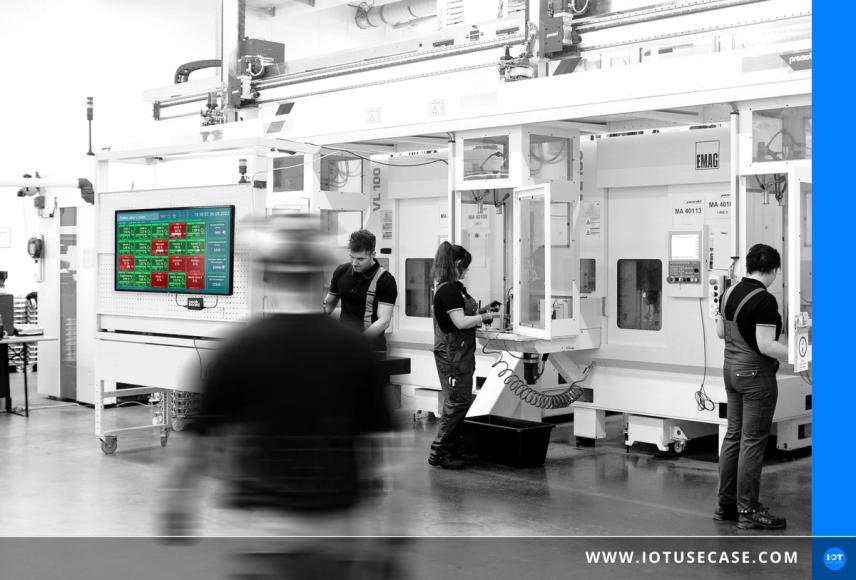
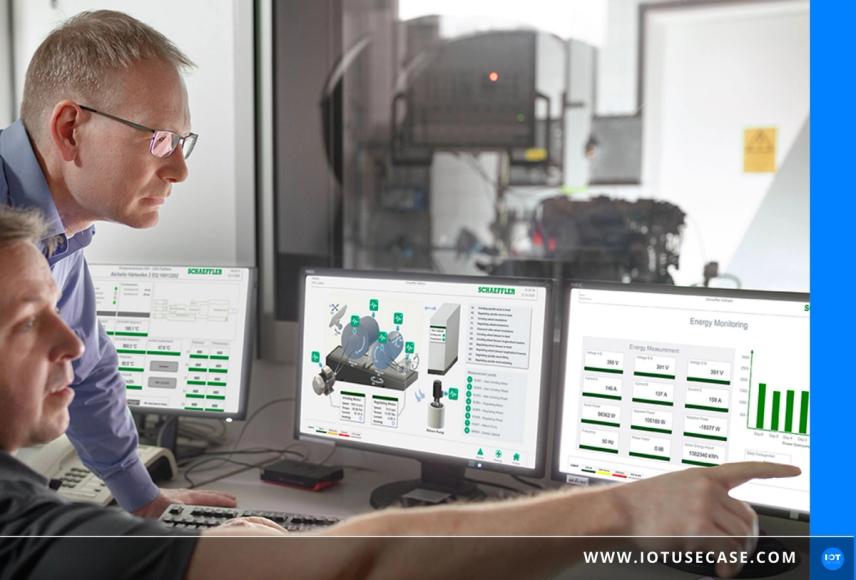
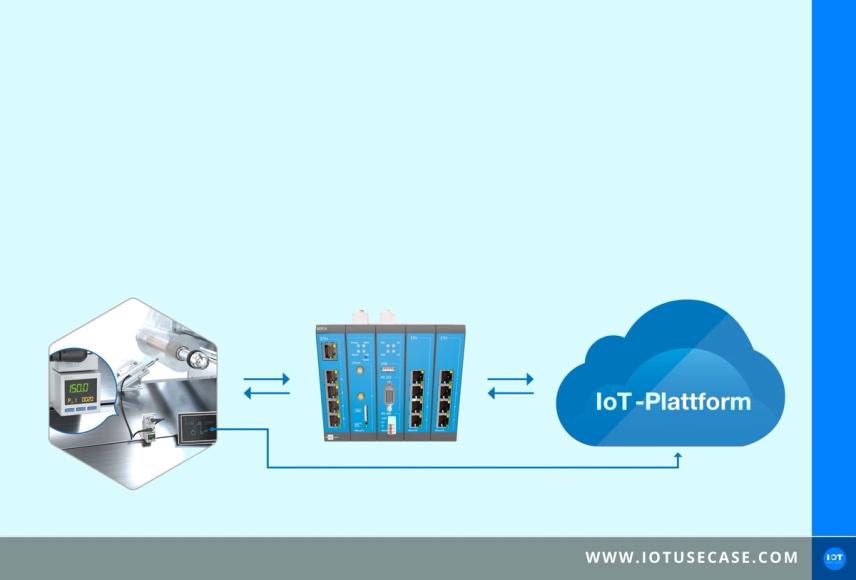
Machine status, cycle times, scrap rates, and downtime reasons are captured directly from the controller and made visible in real-time dashboards. OEE metrics are calculated automatically, bottlenecks identified, and shift supervisors receive immediately actionable information – without manual data entry.
Component Traceability
Every bolt, every weld seam, every inspection is digitally captured and linked to the vehicle VIN. In the event of a recall, it can be reconstructed within minutes which vehicles are affected and which batch from which supplier was installed. What used to take weeks is achieved with IoT-based traceability in minutes.
Battery Monitoring and Digital Product Passport
The EU Battery Regulation requires a mandatory battery passport from 2027. IoT-based monitoring records charge cycles, temperature profiles, capacity development, and CO₂ footprint across the entire lifecycle. This data forms the foundation for the Digital Product Passport – and simultaneously creates the basis for data-driven after-sales services.
Connected Vehicles and Fleet Management
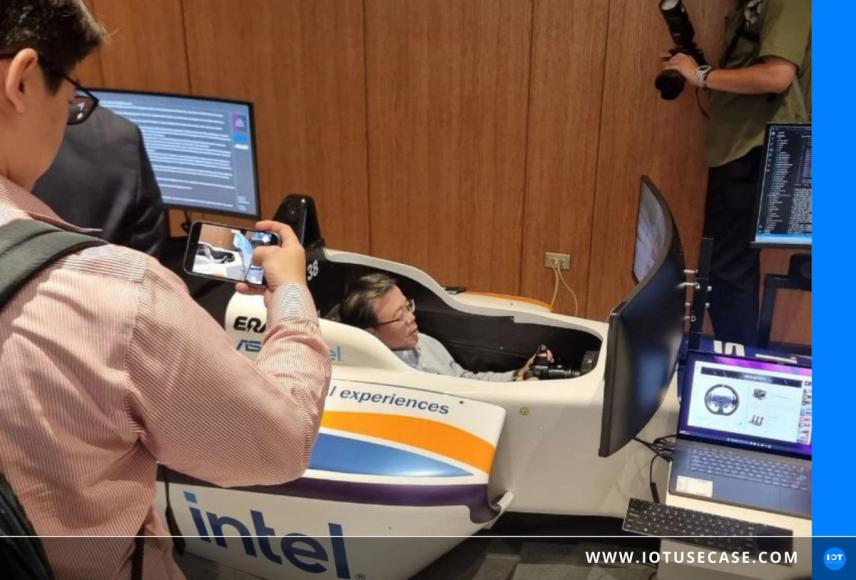
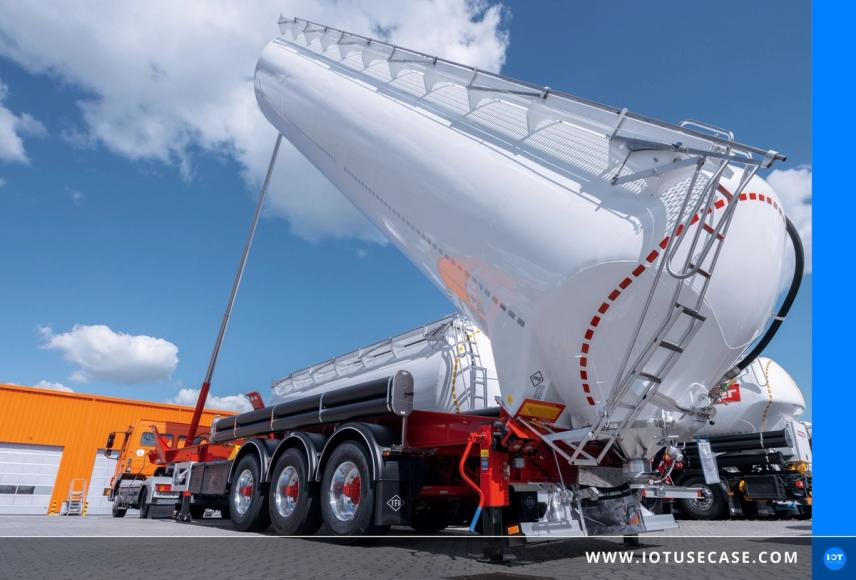
Vehicle fleets – from commercial vehicles to rental cars and company cars – are centrally monitored via IoT platforms: location, vehicle condition, consumption, and service requirements in real time. OTA software updates are applied without a workshop visit. For commercial vehicle manufacturers such as truck and bus makers, fleet telematics is today an independent business model.
What Sets IoT in the Automotive Industry Apart from Other Sectors
Nowhere are the requirements for data precision, system integration, and regulatory compliance simultaneously as high as in the automotive industry. OEM requirements imposed on Tier 1 and Tier 2 suppliers define standards that shape entire supply chains. IATF 16949, TISAX, ISO 26262 – the regulatory framework is dense.
At the same time, the industry is undergoing the deepest transformation since its inception: electrification, the software-defined vehicle, autonomous driving, and new mobility models are changing not just the product, but the entire value creation logic. IoT is not an add-on in this context, but core infrastructure.
Real-World Examples from the IoT Use Case Network
In our network you will find concrete, verified solution examples from the automotive industry – from predictive maintenance at production facilities and OEE monitoring through to battery traceability and connected commercial vehicle fleets. Every example shows which technologies were used, what challenges existed, and what was concretely achieved in the end.
No marketing fluff. Only practice.
Implementing IoT in the automotive industry – we can help
Are you planning an IoT project in the automotive or supplier industry, or do you want to become visible as a solution provider in this area? We help you find the right partners, present solutions in a practical way, and reach real users.
Get in touch