
Automation
Whether intelligent production lines, fully automated assembly processes, or the seamless networking of robotics, PLCs, and the cloud – IoT is the enabler of modern automation. Not as a vision of the future, but as everyday practice in plants already working with it today.
The challenges are real: machines from different manufacturers must communicate with each other, OT and IT worlds are converging, and production processes must be flexible, efficient, and traceable at the same time. At the same time, pressure is mounting to produce more with fewer staff – more precisely, faster, and with less scrap.
This is exactly where IoT comes in: sensors, controllers, and actuators are networked, process data flows in real time, and intelligent systems respond automatically to deviations. Whether condition monitoring, closed-loop control, or AI-supported quality assurance: the right data at the right time makes automation smarter.
On this page you will find hands-on solution examples from the IoT Use Case network – from automation specialists and end users who have delivered real projects. No marketing, no promises – only what actually works.
These challenges are driving IoT projects in automation
Heterogeneous machine landscapes and protocol diversity
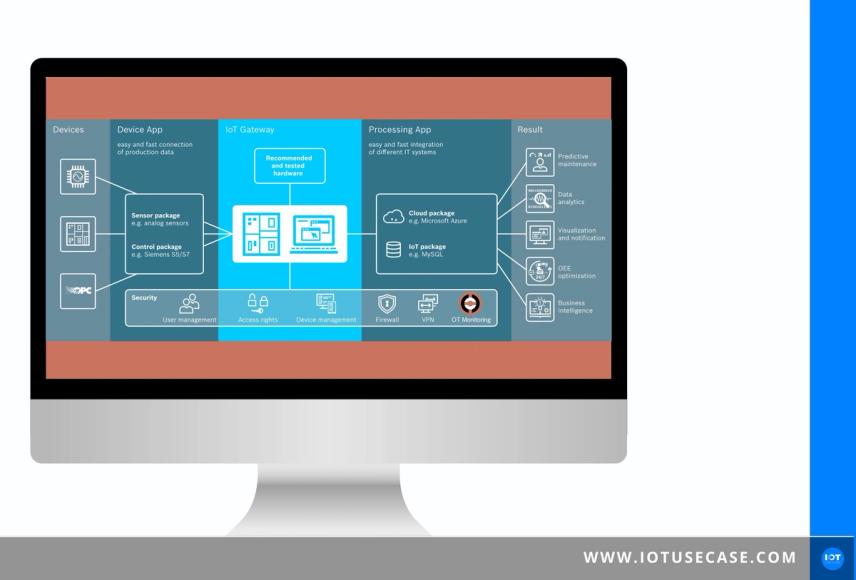
Production facilities consist of machines from different manufacturers, generations, and protocols – OPC UA, Profibus, Modbus, EtherNet/IP. Cross-system data acquisition is barely possible without standardization.
OT/IT integration and cybersecurity
Connecting Operational Technology and IT systems creates new efficiency potential – but also new attack surfaces. Industrial networks must be securely segmented and protected against unauthorized access.
Real-time quality assurance
Quality deviations in traditional processes are often only detected at the end of the line. Inline sensors and AI-supported image processing enable continuous monitoring directly in the process – before scrap is produced.
Flexibility with increasing product variety
Growing product variants and smaller batch sizes demand production systems that can be reconfigured quickly. Intelligent automation solutions must be flexibly parametrizable and adaptable without long downtime.
Maintenance and availability of highly automated systems
The higher the degree of automation, the more critical every failure. Predictive maintenance and condition-based maintenance are not optional in highly automated environments – they are a necessity.
Energy efficiency and resource consumption
Automated production lines are energy-intensive. Granular energy monitoring at machine and process level enables targeted savings and provides the data foundation for CO₂ reporting and ESG targets.
Real-world solution examples in the Automation industry
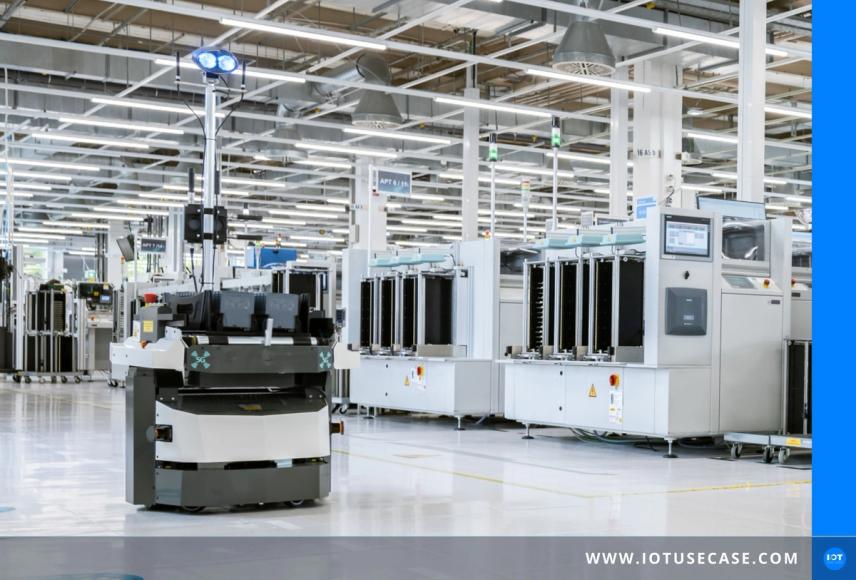

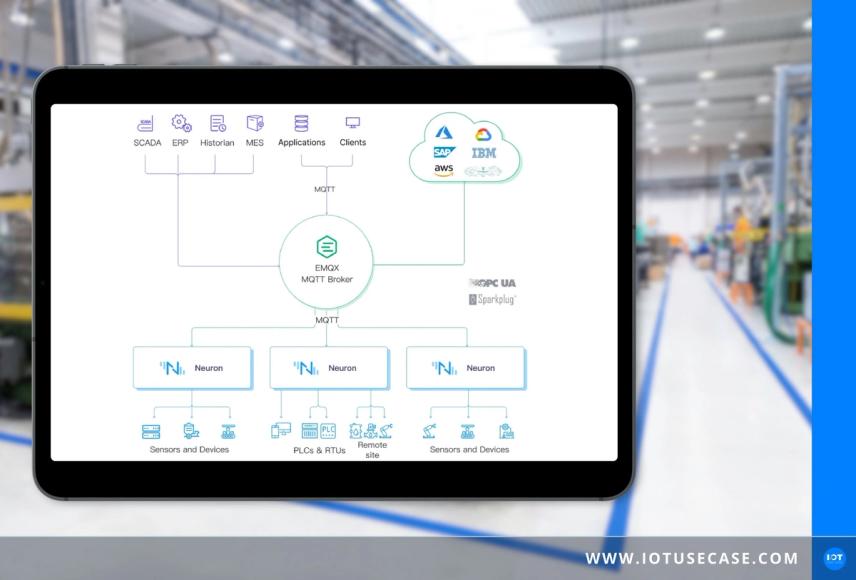


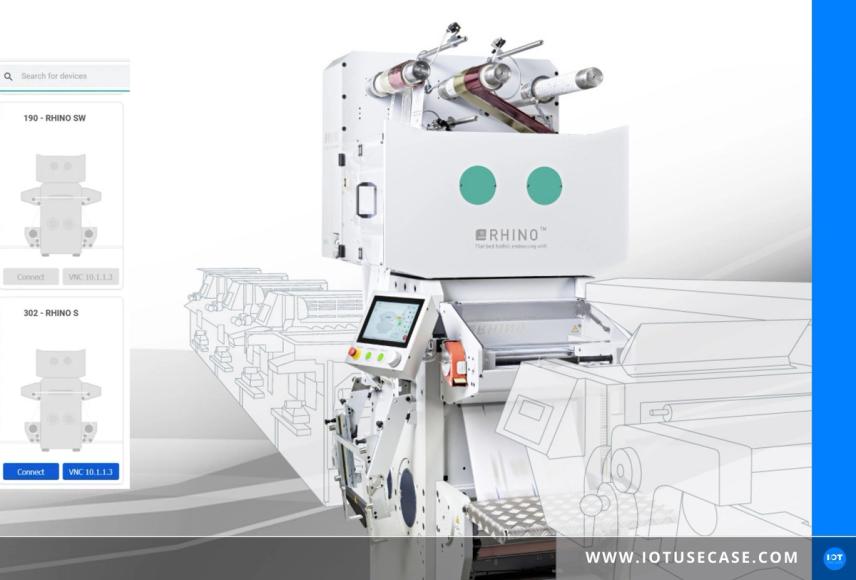


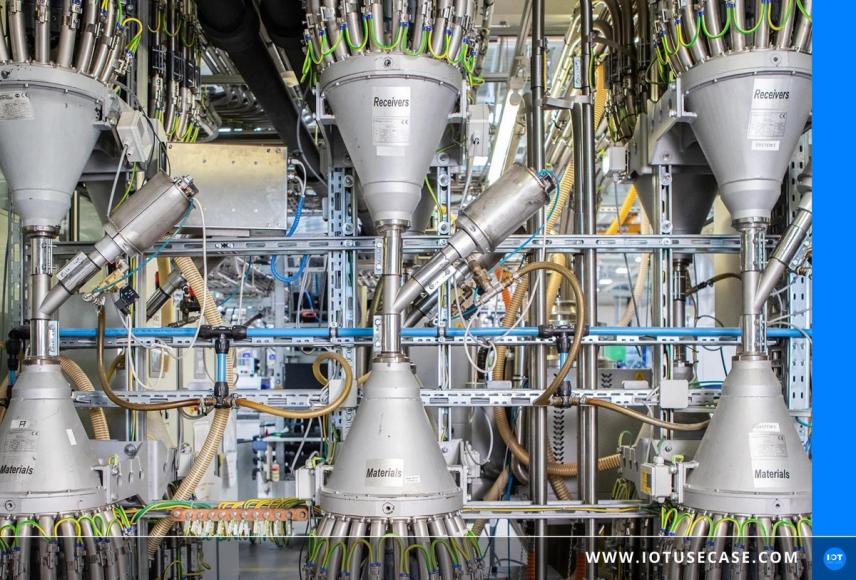














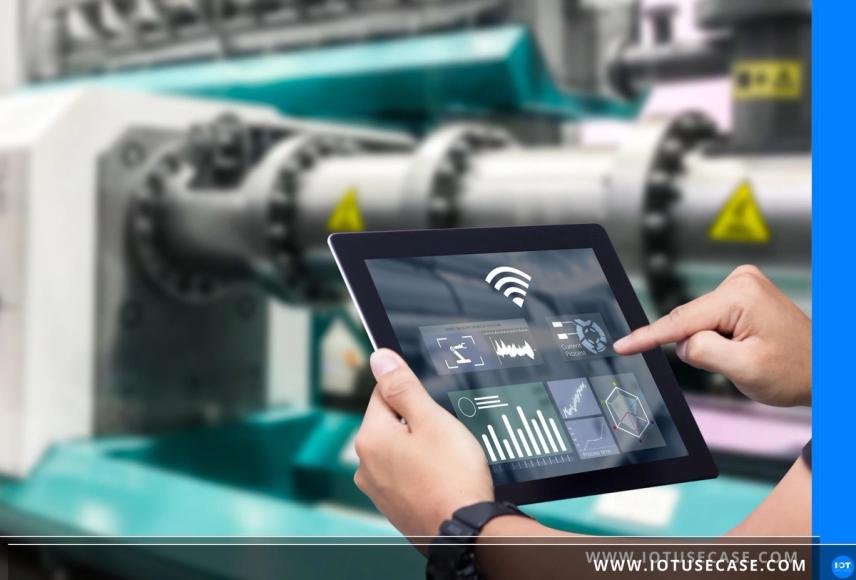
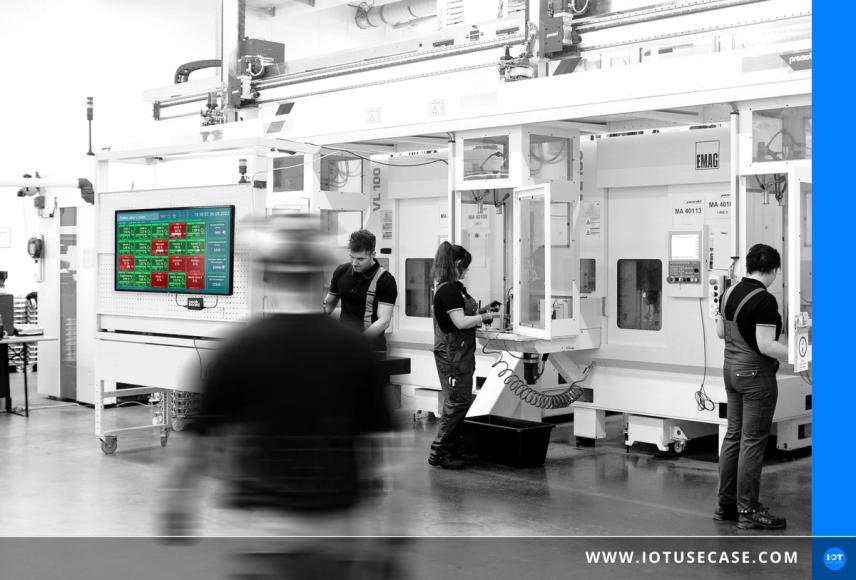














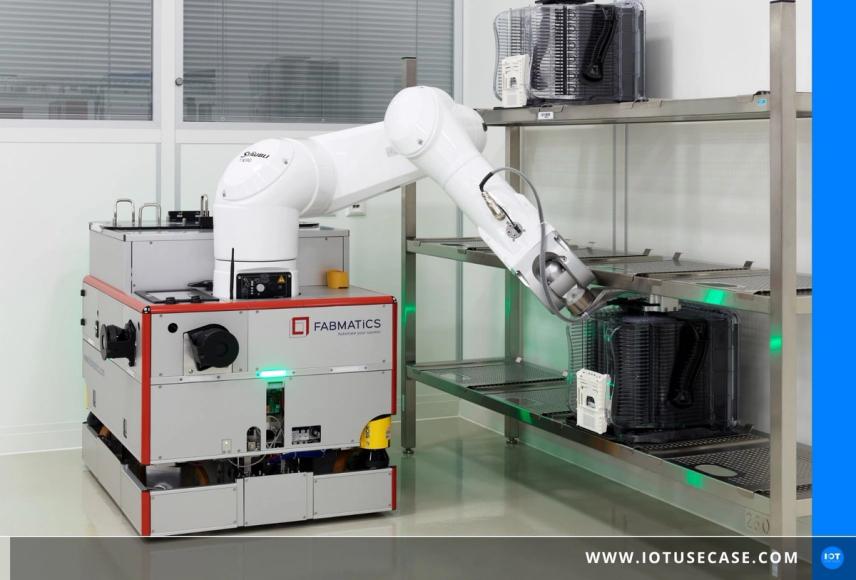
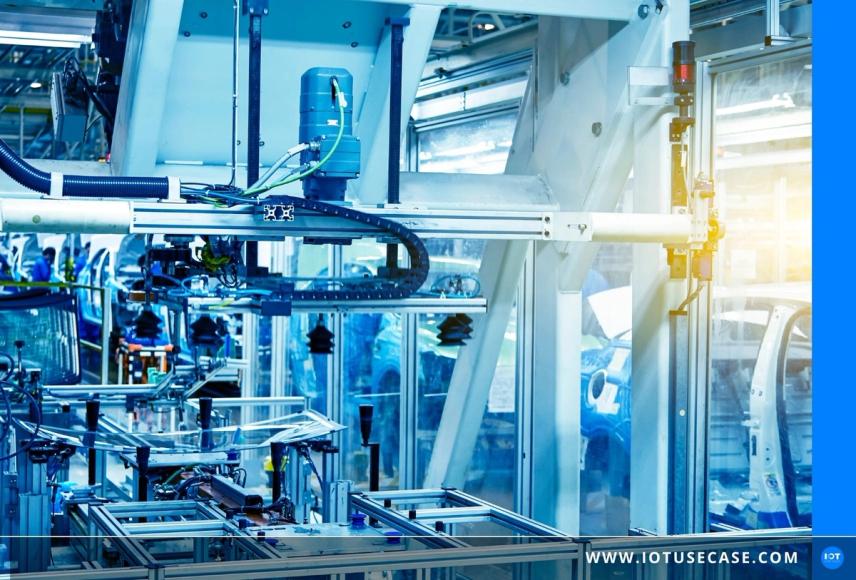

IoT in Automation: What Actually Works in Practice
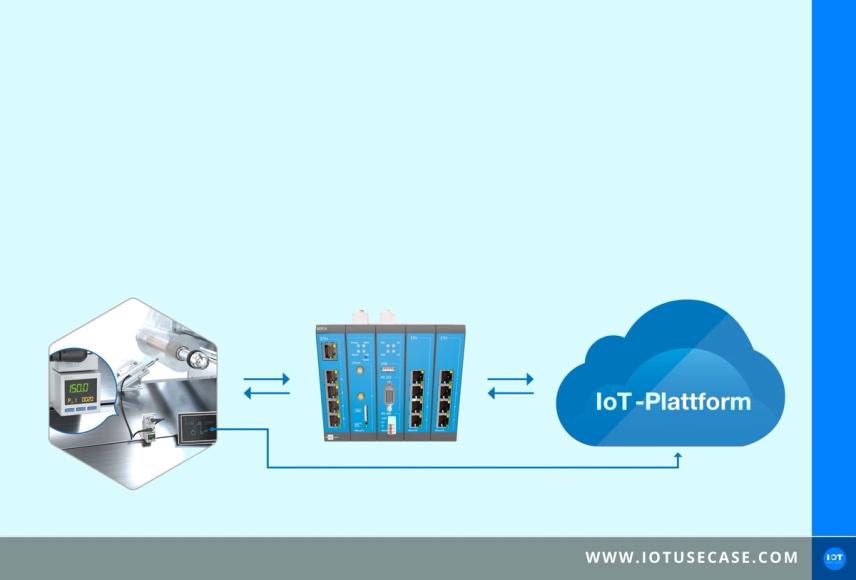
Automation and IoT belong together – and yet many automation systems are still island solutions: machines that produce but do not communicate. Data that is generated but not used. IoT closes this gap: it connects machines, controllers, and systems into a continuous data stream – from the PLC to the cloud.
The difference from other industries: in automation, real-time capability, reliability, and precision are not extras but fundamental requirements. Milliseconds determine process quality, and an unplanned stoppage can bring an entire production line to a halt.
Typical Application Areas
Condition Monitoring and Predictive Maintenance
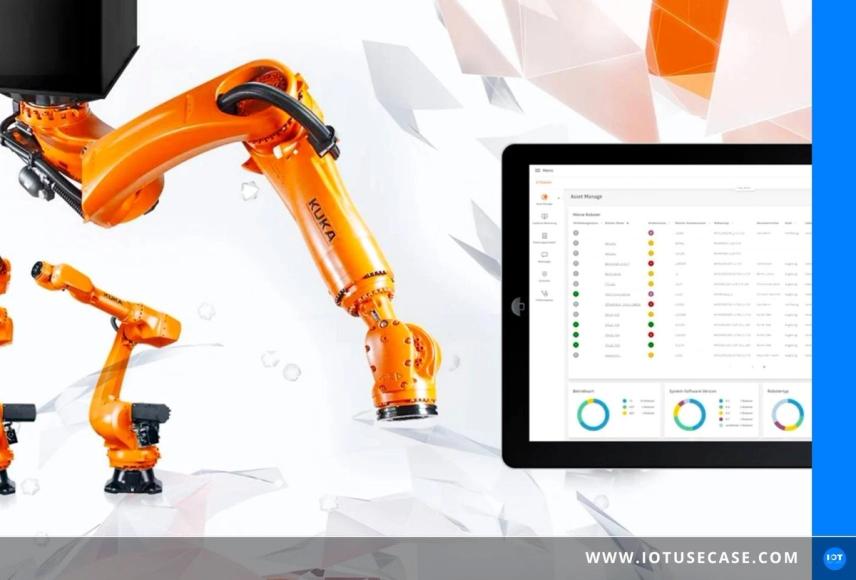
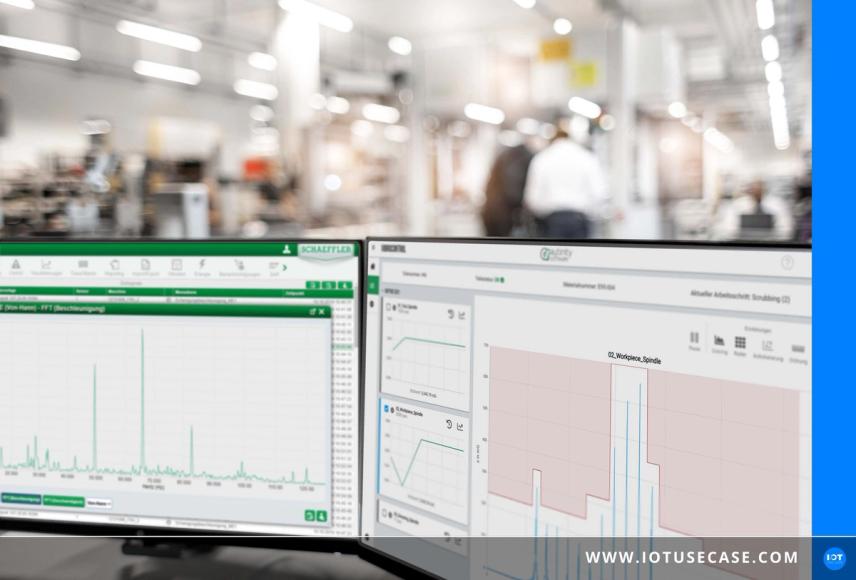
Drives, robots, conveyor systems, and controllers are continuously monitored: vibration, temperature, current consumption, and operating hours flow in real time into analysis systems. AI models calculate failure probabilities and automatically trigger maintenance orders – before a failure occurs.
Inline Quality Assurance and Computer Vision
Camera-based AI systems inspect components directly on the line for surface defects, assembly errors, and dimensional deviations – with higher speed and consistency than manual visual inspections. Scrap is detected before it reaches the next process stage.
OEE Monitoring and Process Optimisation
Machine status, cycle times, and downtime reasons are automatically captured from controllers. OEE metrics are generated in real time, bottlenecks become visible, and shift supervisors receive immediately actionable information – without manual tally-sheet data entry.
Flexible Automation and Digital Twin
Digital twins of machines and production lines enable virtual commissioning, simulation, and optimisation without production downtime. Parameter changes are tested digitally first before being transferred to the real system – shortening changeover times and reducing errors.
Energy and Resource Monitoring
Automated lines consume electricity, compressed air, cooling water, and process gases. Granular monitoring at machine level makes every consumption driver visible – the foundation for efficiency measures, load peak management, and robust ESG reporting.
What Sets IoT in Automation Apart from Other Industries
Automation solutions must meet the toughest requirements: real time, reliability, functional safety. At the same time, the heterogeneity of the installed base is enormous – new robots alongside decades-old PLC systems. IoT solutions must be capable of both: serving modern interfaces and integrating legacy systems.
What is more: the transition from proprietary automation silos to open, interoperable architectures is strategically and technically demanding. Standards such as OPC UA, MQTT, and Industry 4.0 reference architectures (RAMI 4.0) are important reference points – but not straightforward in practice.
Real-World Examples from the IoT Use Case Network
In our network you will find concrete, verified solution examples from automation – from condition monitoring on robotic systems and inline quality control with computer vision through to energy monitoring at line level. Every example shows which technologies were used, what challenges existed, and what was concretely achieved in the end.
No marketing fluff. Only practice.
Implementing IoT in automation – we can help
Are you planning an IoT project in the field of automation, or do you want to become visible as a solution provider in this area? We help you find the right partners, present solutions in a practical way, and reach real users.
Get in touch