

Agricultural sector
Whether remote-controlled irrigation, predictive maintenance for harvesting machinery or seamless traceability from field to shelf – IoT solutions are fundamentally changing agriculture. Not as a vision of the future, but as everyday practice in operations already using them today.
The challenges are real: water is becoming scarcer and more expensive, farm machinery is spread across large areas, skilled workers are in short supply, and documentation requirements keep growing – for subsidy programmes, food supply chains and ESG reporting alike. At the same time, pressure is mounting to use resources more efficiently and avoid failures that are especially costly during harvest.
This is exactly where IoT comes in: sensors capture conditions in real time, data is automatically transmitted and analysed – without anyone needing to be on-site. Whether soil moisture, machine vibrations, energy consumption or vehicle locations: the right data at the right time enables better decisions with less effort.
On this page you will find hands-on solution examples from the IoT Use Case network – from operations and technology providers who have delivered real projects. No marketing, no promises – only what actually works.
These challenges are driving IoT projects in agriculture
Water and energy efficiency
Rising water and energy costs force operations to precisely control irrigation and consumption. Sensors and remote monitoring enable demand-driven supply in real time.
Fleet management and machine availability
Agricultural machinery is often distributed across large areas. Unplanned downtime during harvest is particularly costly. IoT-based condition monitoring detects wear early and prevents expensive standstills.
Traceability and documentation requirements
Food chains and authorities require comprehensive proof of origin, fertilisation and crop protection. Digital IoT documentation replaces error-prone paper logs and creates legally compliant records.
Sustainability and ESG requirements
Funding programmes, buyer conditions and public pressure demand measurable progress on CO₂, water use and biodiversity. Sensor-based data makes ESG reports robust and verifiable.
Cybersecurity for connected farm machinery
Connected tractors, harvesters and control systems are attractive targets for cyberattacks. Secure digital identities and encrypted communication protect critical field infrastructure.
Labour shortage and remote operations
Fewer and fewer specialists need to manage more and more land and technology. Remote monitoring, automatic alerts and digital dashboards enable efficient work with small teams.
Real-world solution examples in the Agricultural sector industry













IoT in Agriculture: What Actually Works in Practice
Agriculture is one of the oldest industries in the world – and at the same time one of the most digitally transforming. Anyone who wants to operate fields, machinery, and supply chains efficiently today cannot do without networked sensors, real-time data, and automated control systems.
The difference from other industries: in agriculture, ROI is often directly measurable. Less water consumption, fewer machine failures during harvest, seamless documentation for subsidy programmes – these are not abstract promises, but concrete results from real-world practice.
Typical Application Areas
Precision Irrigation and Resource Efficiency
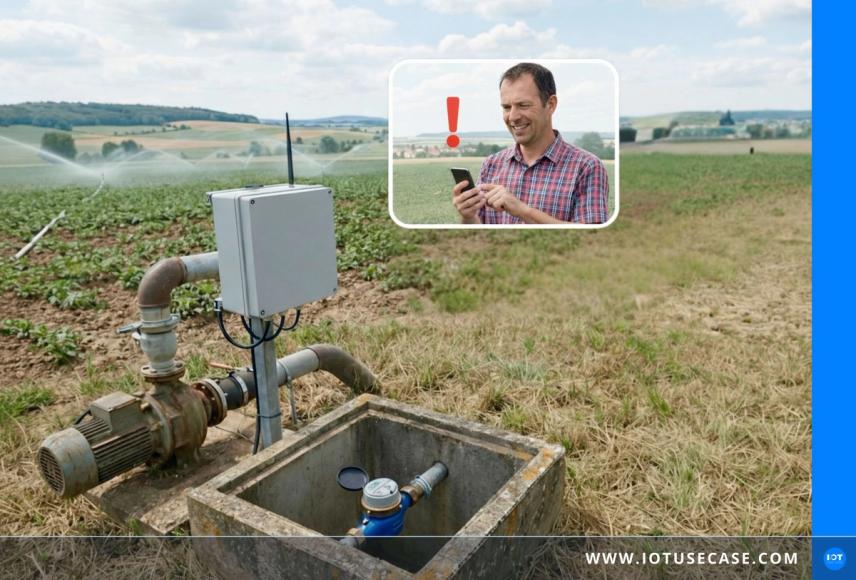
One of the most direct application areas of IoT in agriculture is sensor-based irrigation control. Soil moisture sensors, weather data, and flow meters provide the real-time foundation for demand-driven irrigation – automated and remotely controllable. One rural district from our network was able to reduce water consumption by up to 60% without any loss in yield.
Condition Monitoring for Agricultural Machinery
Tractors, combine harvesters, and specialist machinery are often spread across vast areas. An unplanned failure in the middle of harvest does not just cost repair expenses – above all, it costs time that cannot be recovered. IoT-based condition monitoring continuously tracks vibrations, temperatures, and operating hours, and raises the alarm before it is too late.
Traceability and Digital Documentation
Food supply chains, authorities, and subsidy programmes are demanding ever more comprehensive evidence: where does the grain come from? Which pesticides were used, when and where? Digital IoT documentation replaces error-prone paper logs and delivers audit-proof data at the touch of a button. For operations applying for EU subsidies or supplying food chains, this is a clear competitive advantage.
Secure Connected Agricultural Machinery
As connectivity grows, so does the attack surface. Modern agricultural machinery communicates with cloud platforms, receives software updates, and shares operational data. Without secure digital identities and encrypted communication, these systems are vulnerable – a risk that many operations still underestimate.
Making Sustainability Measurable
ESG is not a trend but a growing requirement – from buyers, banks, and EU legislation. Sensor-based data on CO₂ emissions, water consumption, and biodiversity indicators make sustainability reports robust and verifiable. Those who build this infrastructure early gain advantages in subsidy applications and supplier negotiations.
What Sets IoT in Agriculture Apart from Other Industries
Conditions in the field are harsh: dust, moisture, temperature fluctuations, and poor network coverage in rural areas. Not every IoT solution that works inside a factory building proves itself outdoors. Robust hardware, low energy consumption (LoRaWAN instead of LTE), and offline-capable edge solutions are often decisive in agriculture.
What is more: many agricultural operations are run as small and medium-sized businesses. IT resources are limited. Solutions must be easy to use, low-maintenance, and scalable in terms of procurement – no enterprise stack for a farm with 10 employees.
Real-World Examples from the IoT Use Case Network
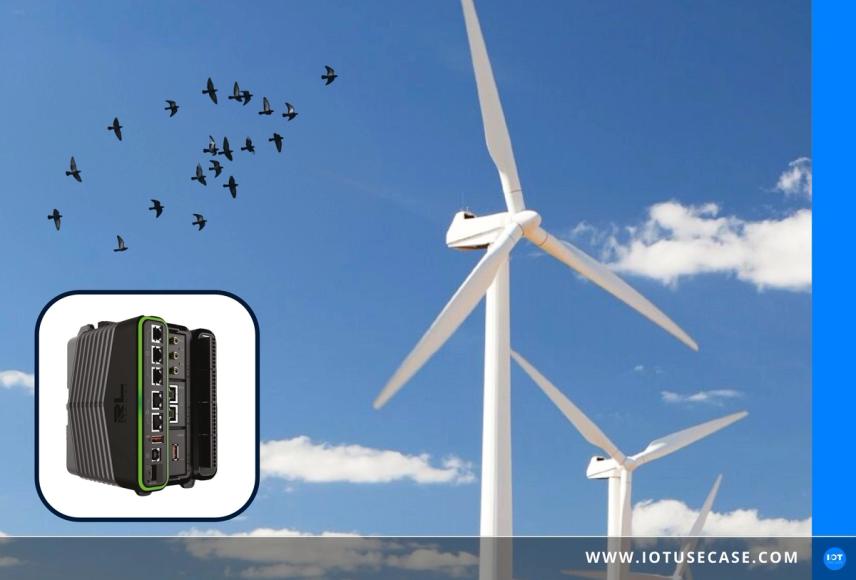
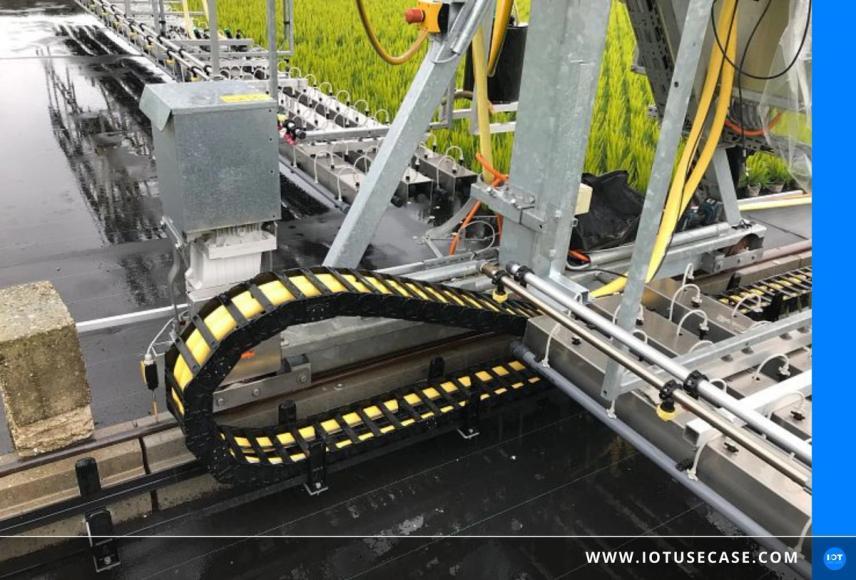
In our network you will find concrete, verified solution examples from agriculture – from intelligent irrigation control to bird protection at wind turbines and secure digital identities for agricultural machinery. Every example shows which technologies were used, what challenges existed, and what was concretely achieved in the end.
No marketing fluff. Only practice.
Implementing IoT in agriculture – we can help
Are you planning an IoT project in agriculture or want to become visible as a solution provider in this area? We help you find the right partners, present solutions in a practical way and reach real users.
Get in touch